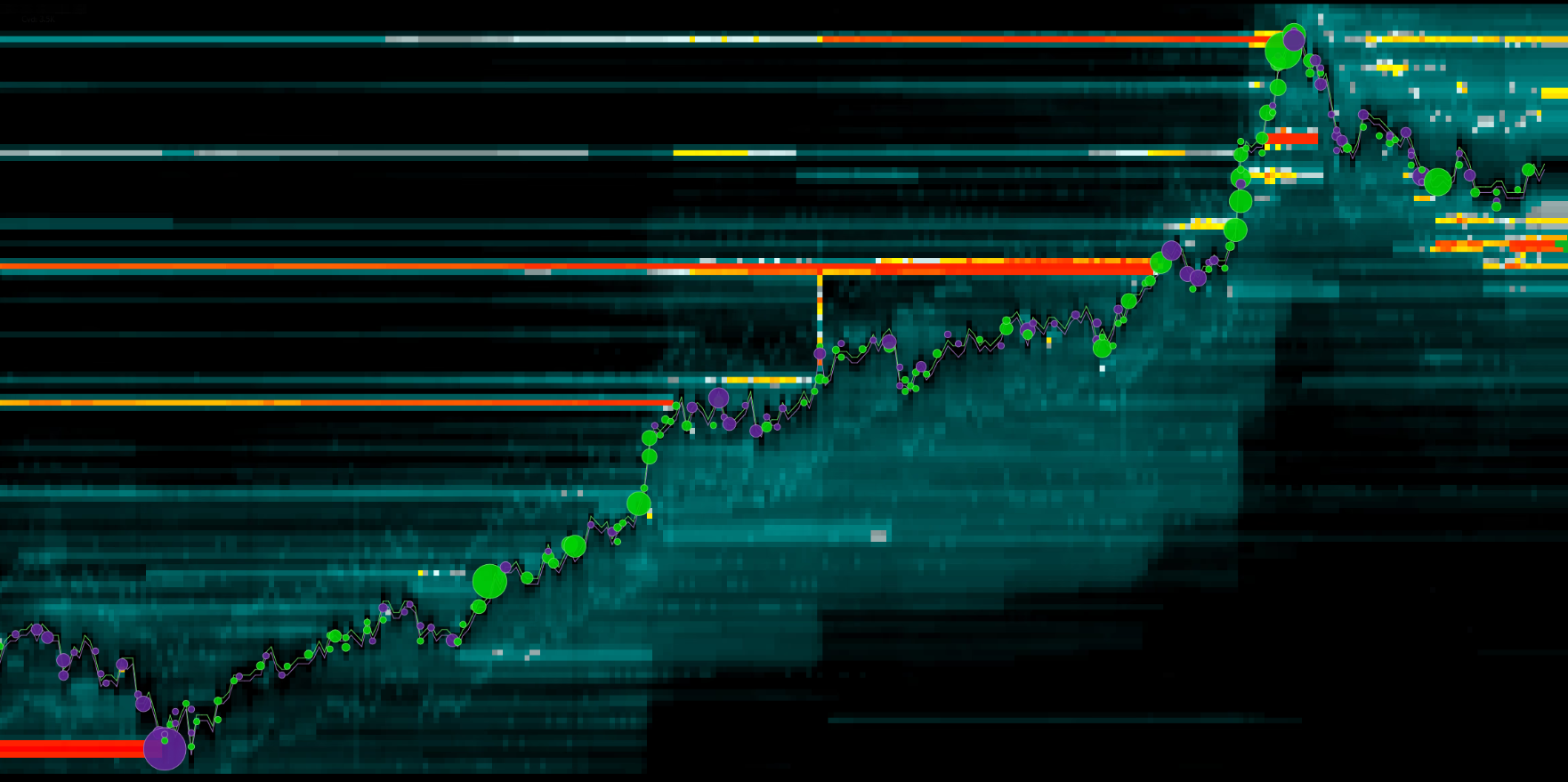
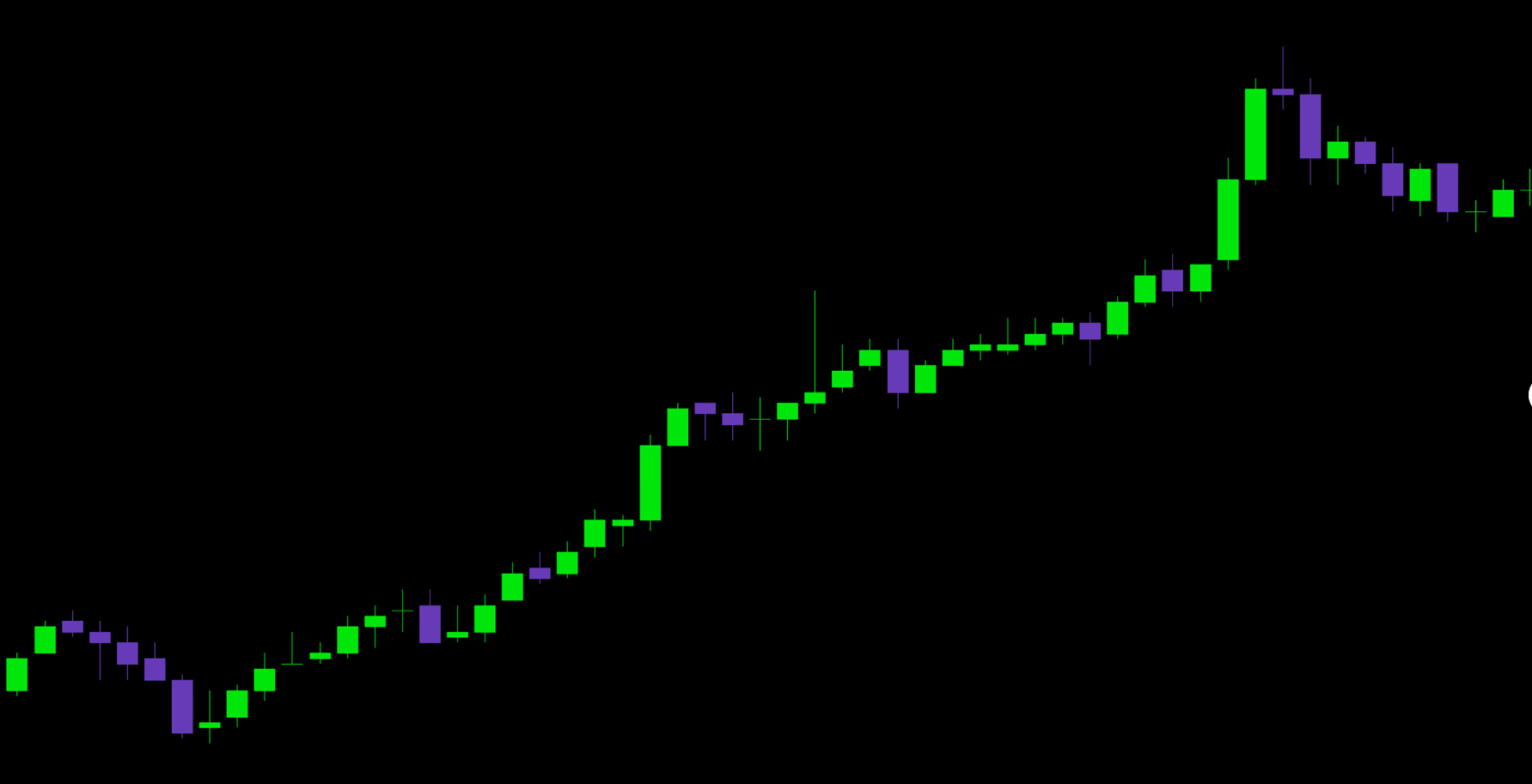
TA sees structure. Order flow sees substance. Together — the complete picture.
The Third Dimension
Beginner4 min read
Think back to a trade that left you staring at the chart. Everything was right. The level — confirmed. The pattern — textbook. The indicator — in the zone. You entered. And your stop got hit.
Not because you messed up the execution. Not because you slept through a news release. But because you trusted the chart — and it deceived you. Not out of malice. It simply didn't show you the most important thing.
Every level has a facade and a core. A candlestick chart shows the facade: here's a touch, here's a bounce, here's a pattern. Order flow shows the core: who was standing behind the level, how much capital, how committed. Sometimes behind a beautiful facade there's a concrete wall. Sometimes — nothing but empty space.
This module is about telling one from the other. And about why you don't need to throw away everything you already know to do it.
The Third Dimension
Support and resistance levels work. Patterns work. Trends work. If they didn't — nobody would use them.
But here's the question: why do the same patterns sometimes play out and sometimes fail? Why does a level that held three times crumble on the fourth? Why does a textbook-perfect setup turn into a trap?
Because TA shows structure: here's a level, here's a pattern, here's a channel. But it doesn't show what stands behind that structure. A level can be a concrete wall — tens of thousands of contracts in limit orders that won't let price pass. Or it can be a drawn line on a chart with nothing behind it. From the outside, they look identical.
Same with patterns. Head and shoulders, double bottom, flag — these are shapes. The same shape can be packed with volume (a real structure backed by real money) or empty (a random contour formed by a few candles). TA can't tell the difference. Footprint can.
Same with trends. A trend can be initiative-driven — backed by real aggression, imbalances on every candle, large prints in the tape. Or it can be inertial — momentum fading, volume declining, cumulative delta reversing. From the outside, both trends are a series of higher lows. Inside — two completely different markets.
And here's what matters: volume analysis doesn't erase your experience. Your levels, your patterns, your ability to read a chart — all of that stays. We're adding a third dimension: what stands behind what you already see.
That said, "the third dimension" is still an abstraction. Let's make it concrete.
Quiz
1. A trader says: "I traded TA for 3 years, now I need to forget everything and learn order flow from scratch." What's wrong with this statement?
2. Why do the same patterns sometimes work and sometimes fail?
AI Assistant
The Third Dimension
How can I help?
Ask anything about this lesson